
Case Study:
From Friction to Flow: Building an Agile Culture in Financial Services
Industry
Focus
Embedded Agile Transformation
Impact
- Stronger cross-functional trust and collaboration
- 3x Faster Delivery
- 20pt increase in Employee Engagement
- Restored Stakeholder Trust
Executive Summary
A global financial services firm had grown through multiple acquisitions but was struggling to integrate its services, align teams, and deliver a consistent customer experience. Fragmented systems, low trust, and a command-and-control leadership style were undermining agility and performance. In particular, the IT division had become a bottleneck, with poor delivery outcomes and damaged relationships with internal stakeholders.
The bank launched an enterprise-wide shift to agile delivery, starting with IT. We were engaged to support this transformation by building delivery capability and addressing the deeper mindset and cultural barriers to success.
Using our 4 Quadrants Framework, we worked with delivery teams, internal coaches, and senior leaders to reshape behaviours, shift mindsets, and create a culture of psychological safety, collaboration, and shared accountability.
Through co-designed workshops, embedded coaching, and targeted interventions, the IT division became a trusted partner to the business. Teams delivered faster, communication improved, and staff engagement rose sharply.
Key outcomes included:
- A 20-point increase in employee engagement
- Stronger cross-functional trust and collaboration
- Faster delivery of high-quality solutions
- A visible shift in culture and leadership effectiveness
What began as a delivery challenge became a cultural breakthrough. The transformed division became a model for high-trust, high-performance agility across the organisation.
The Challenge
Following years of acquisitions, the bank faced deep fragmentation in its service delivery and culture. Systems were disconnected, customer experiences were poor, and trust had broken down between IT and the wider business. Attempts to implement agile ways of working ran into resistance and confusion, exposing deeper problems of leadership, ownership, and collaboration.
Fragmented internal systems
- Following multiple acquisitions, the bank struggled to rationalise and integrate its expanded service offerings.
- Customers experienced slow, inconsistent, and poorly coordinated services.
- Internal systems and priorities were misaligned, creating confusion and frustration.
Distrust across units
- Low trust existed between internal service teams and their business stakeholders due to unclear requirements, shifting priorities, and repeated delivery failures.
- Business stakeholders lacked confidence in IT’s ability to deliver reliable, high-quality solutions.
Pockets of low leadership adaptability
- Some leaders actively resisted the move to agile, holding on to command-and-control styles that blocked empowerment and collaboration.
- Leadership struggled to adopt a mindset of partnership with internal customers, slowing the transition to new ways of working.
Cultural resistance to agility
- Delivery teams had historically operated in rigid project structures, making the shift to flexible, cross-functional collaboration challenging.
- Emotional resistance, unresolved conflicts, and power struggles further limited progress.
Our Approach
We began with a clear, strategic discovery phase to define the problem, align key stakeholders, and shape a purposeful transformation journey. Rather than simply providing agile capability uplift, we positioned the engagement around solving a deeper, mission-critical problem: restoring trust, accelerating delivery, and integrating a fragmented business after years of acquisitions.
This strategic starting point gave permission to explore mindset, behaviour, culture, and system barriers holistically, rather than treating them as isolated capability gaps. From there, we co-designed a structured uplift program with client leaders, targeted workshops and coaching for the IT tribe, and developed internal coaches to ensure the program was self-sustaining. Throughout, we applied the C4AT 4 Quadrants Framework as a diagnostic and integration lens, ensuring the transformation addressed the human and relational dynamics as much as the technical elements of agile.
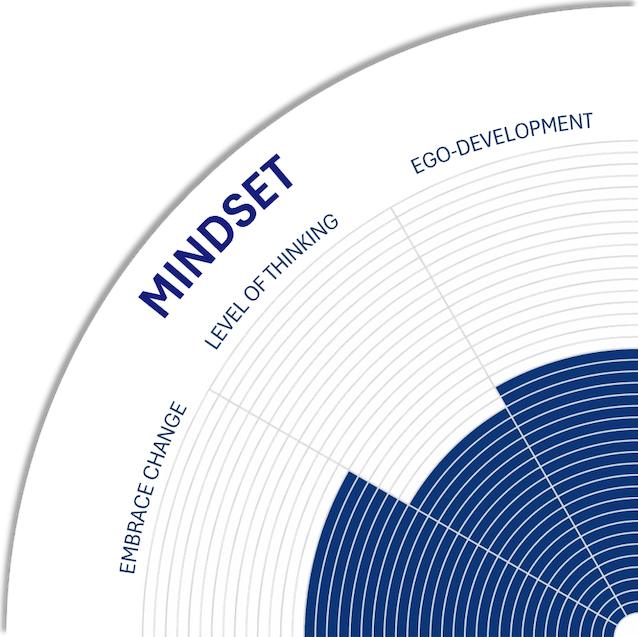
Mindset
- Encouraged leaders to shift from a command-and-control mentality to a growth mindset, seeing themselves as partners to the business
- Supported individuals to recognise and challenge limiting beliefs about authority, speed, and quality
- Built awareness of how old patterns of risk aversion and fear of mistakes slowed delivery
- Enabled leaders to model vulnerability, helping others feel safe to experiment
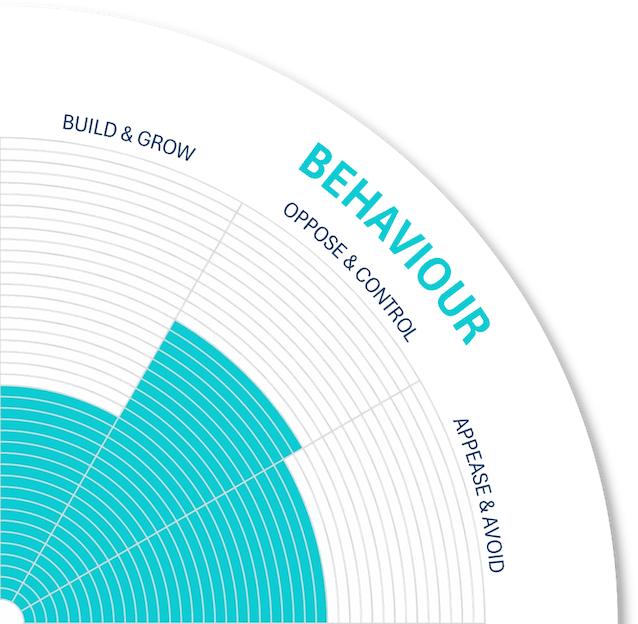
Behaviour
- Facilitated experiential workshops on psychological safety, empathic listening, and constructive feedback
- Taught practical collaboration habits to strengthen trust and cross-team working
- Embedded active conflict resolution practices to address power struggles and friction
- Provided embedded coaching to develop consistent, repeatable agile practices
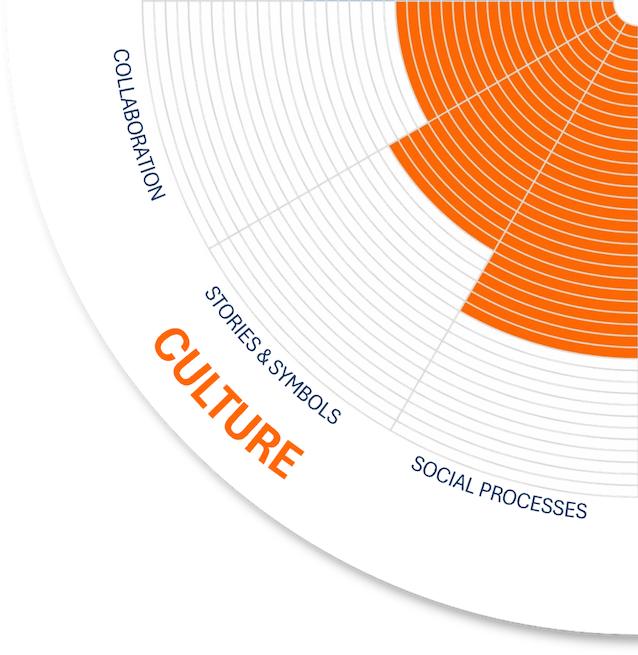
Culture
- Co-designed change programs with visible leadership support to signal commitment
- Built shared stories around purpose and value to align mindsets and reduce resistance
- Strengthened relationships between IT and business through consistent, predictable delivery wins
- Created opportunities for leaders to demonstrate respect and build credibility through “leading out loud”
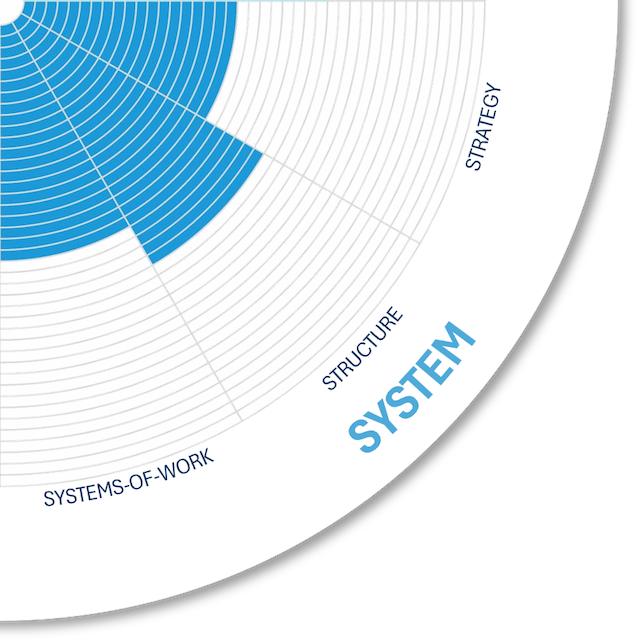
System
- Implemented the Scaled Agile Framework (SAFe) as a consistent delivery model
- Clarified decision rights and accountability boundaries to reduce confusion
- Developed internal coaches to build long-term capability
- Established simple, transparent reporting mechanisms to track progress and build confidence
- Provided a practical roadmap for how future initiatives could scale lessons learned from the IT pilot
The Results
The transformation achieved significant cultural and operational improvements:
- Employee engagement rose by 20 percentage points, reflecting higher trust, respect, and empowerment
- Teams developed a greater sense of urgency, more open conversations, and a stronger willingness to collaborate
- The ability to respond to business requests improved dramatically, with one critical solution delivered in under two weeks where previously it took months
- Trust between IT delivery teams and business stakeholders was restored, strengthening partnership and shared accountability
- The transformed tribe became a showcase for successful agile adoption across the wider organisation
- A senior stakeholder described it as “the most collaborative and positive environment” they had experienced, with delivery teams seen as true partners in creating customer value
Conclusion & Takeaways
This transformation showed that technical change alone is never enough. By addressing leadership mindset, team behaviours, and cultural norms alongside agile methods, the bank rebuilt trust, improved delivery, and created a healthier, high-performance environment.
The program proved that developing the ability of individuals and teams to learn, adapt, and respond together (Adaptive Capacity) is critical in complex, fast-moving business contexts. Focusing on psychological safety, collaboration, and constructive behaviours laid a foundation for long-term resilience.
What began as a delivery challenge became a cultural breakthrough, positioning IT as a trusted partner and a model for future transformation across the organisation.
Lasting change happens when you unlock collective intelligence, develop adaptive capacity, and embed the right mindsets and behaviours to sustain momentum.